United Kingdom
 Ireland
 The Netherlands
 Belgium
 Italy
Italy Germany
 Luxembourg
 Switzerland
 Canada
 Middle East
 Saudi Arabia
 Bahrain
 Oman
Oman Kuwait
 Qatar
Qatar
On a busy site, fuel often gets transferred into equipment using whatever container happens to be to hand. It seems harmless enough, but it is one of the most common causes of expensive equipment failures we see; luckily, it is almost always avoidable.
The problem is contamination. A container that has previously held something else, or one that is dirty or has been left open, can introduce water, dirt and debris straight into your fuel. Modern heaters, boilers, pumps and generators are far more sensitive to fuel quality than people tend to realise.
What Contaminated Fuel Does
Once that contamination reaches the fuel system, the effects build up quickly. It clogs filters and puts strain on the fuel pump, leading to blockages and premature wear over time.
In some cases, the equipment will run poorly for a while before it gives up; in others, it stops working with very little warning. Either way, what began as a quick top-up from the nearest container ends up as an expensive repair bill, or a unit that needs replacing altogether.
The True Cost of Downtime
The repair itself is rarely the worst part. When a piece of equipment goes down unexpectedly, the disruption spreads across the rest of the site:
- Work that relied on the equipment must stop immediately.
- Project timelines start to slip, causing logistical delays.
- In a lot of cases, you will need to hire a replacement unit to keep things moving while the original is out of action.
Industry estimates put the cost of unplanned equipment downtime on a construction project at anywhere between £2,000 and £10,000 a day. A few minutes saved at the point of filling can quickly turn into days lost further down the line, ultimately costing your site both time and money.
How to Avoid It
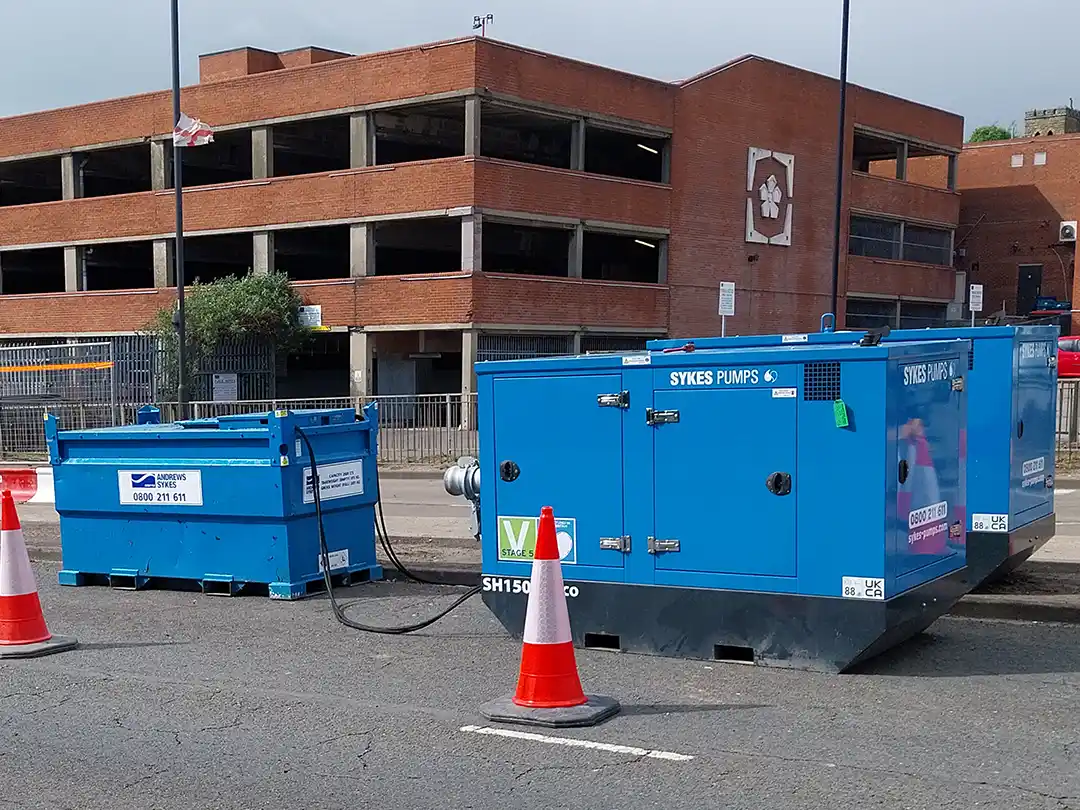
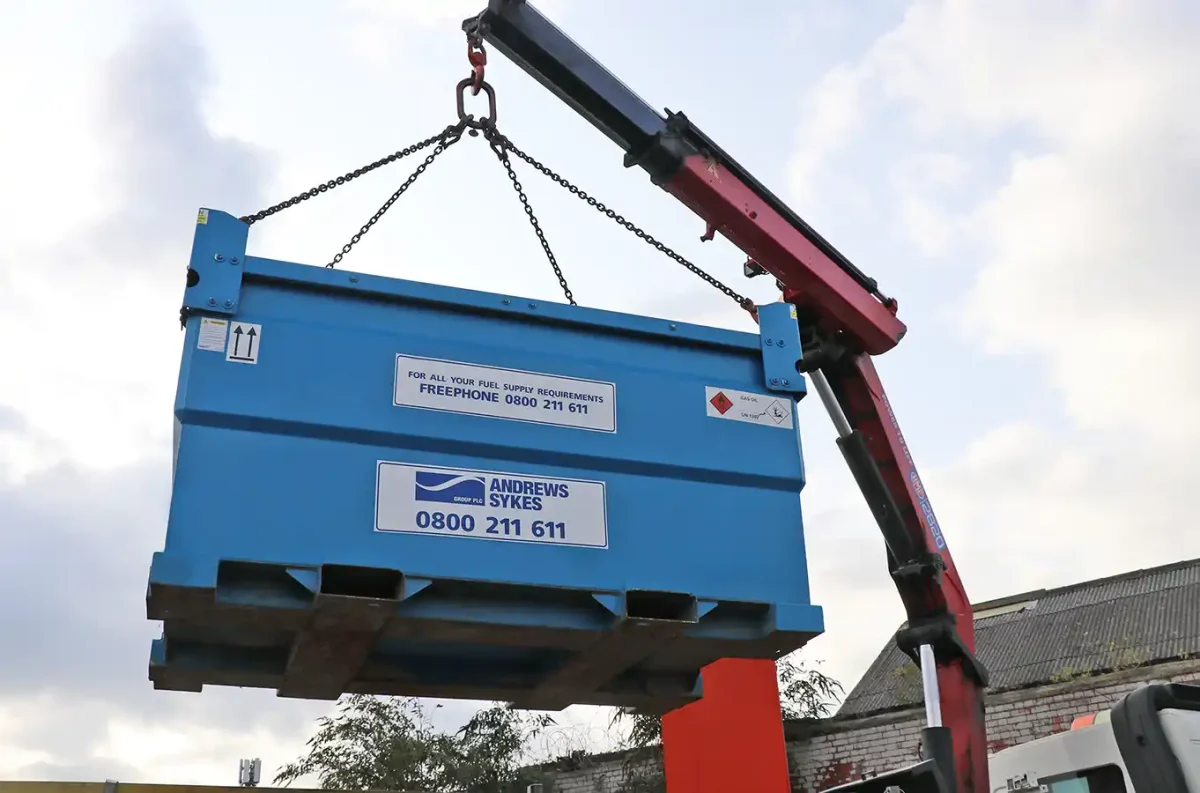
The good news is that this issue is easily prevented. Our advice is to only ever fill your equipment from a clean fuel tank, or directly from a fuel tanker. When the fuel comes from a controlled source like this, you know exactly what is going into your kit. There is no risk from a container that has been left standing or used for something else. It is a small change to the way a site handles its fuel, but it removes one of the most avoidable causes of equipment failure you are likely to come across.
Need clean, reliable fuel deliveries to site?
|
Leave your details below and a member of our fuel team will be in touch.
"*" indicates required fields |
|---|