

 Canada
 Bahrain
When heatwaves hit, opening a window and switching on a fan just won’t cut it. UK workplaces, schools, and event spaces are facing hotter and longer summers – and yet many still rely on small desk fans that just move warm air around.
The truth is: fans don’t lower the temperature. They create a breeze, but if the air in the room is already hot and stale, all you’ll feel is a warm draft.
In this blog, we’ll clear up any confusion. We’ll help you understand when portable air conditioning hire is essential, and when a fan might still play a supporting role, so you can keep your building cool, your staff safe, and your business running smoothly during heatwaves.
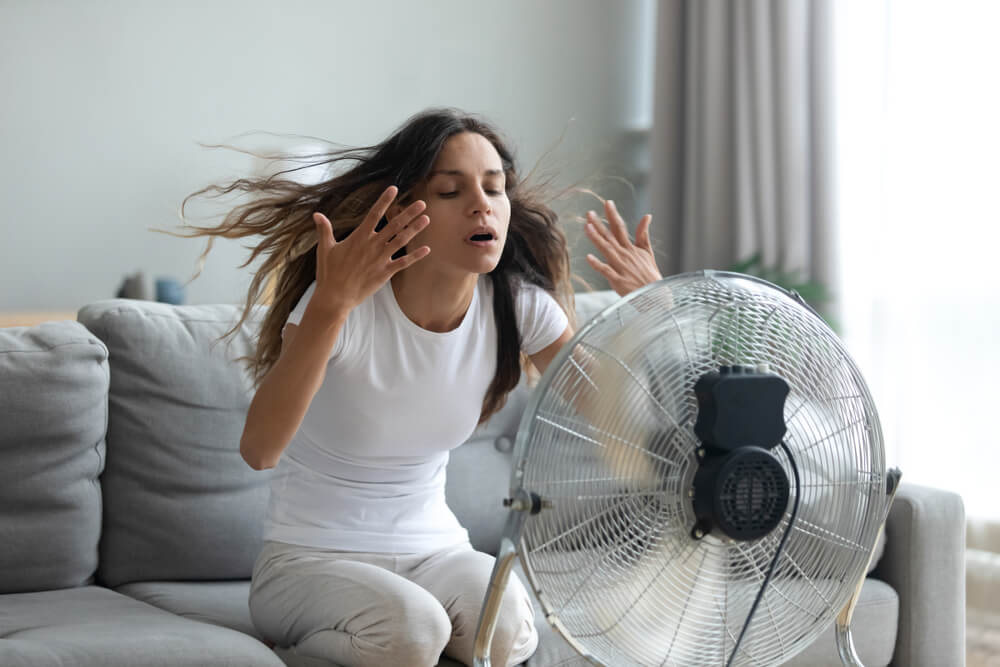
Portable AC vs Fan: What Is the Main Difference?
When comparing a portable air conditioner vs a fan, the key difference is temperature reduction. In comparison, a portable air conditioner removes heat from the room. While fans can help people feel cooler by improving air movement across the skin, they do not reduce the actual air temperature.
In any sealed or occupied indoor space during a UK heatwave, a fan provides temporary perceived relief at best. Portable air conditioning is the only solution that genuinely cools. The right choice for your situation depends on the space, but in most commercial or workplace settings, only a portable AC will make a measurable difference when temperatures rise.
Why Fans Aren’t Always Enough
Fans work by circulating existing air, but they don’t actually remove heat from a space. In a poorly ventilated or sealed room, all fans do is blow hot air from one side to the other – offering very little relief.
In enclosed spaces like offices, site cabins, and classrooms, heat can quickly build up from people, lighting, and equipment. In these environments, fans just redistribute the warmth, failing to solve the underlying problem.
In some cases, fans can make things worse, especially in environments where heat-producing equipment like computer and server rooms, refrigeration units, or catering appliances is already raising the room temperature. Instead of cooling the space, a fan may spread that hot air around, creating an even less comfortable environment.

How Does Portable Air Conditioning Lower the Temperature?
Portable air conditioning works differently from a fan. It draws warm air into the unit, removes heat through a refrigeration process, and returns cooled air back into the space. The extracted heat must then be discharged outside or into a suitable external area.
This is why correct positioning matters. In offices and meeting rooms, classrooms, site cabins, server rooms and event spaces, the unit must be sized properly, and the warm air must be discharged or ducted away effectively. Otherwise, the space may not cool as efficiently as expected.

When Fans Can Still Help:
In open, well-ventilated spaces with low humidity:
Fans work best in areas like warehouses and stores or sports halls and leisure centres, where natural airflow helps the warm air to escape. In these environments, fans help move cooler air through the space rather than simply recirculating trapped heat.
Helping people feel cooler – temporarily:
Air movement over the skin can create a cooling sensation, helping people feel more comfortable in the short term. But it’s important to note that this doesn’t reduce the actual temperature.
It’s also worth noting that the UK’s summer humidity tends to reduce this effect further. When the air is warm and moist, as it often is during prolonged heatwaves, the evaporative cooling sensation from air movement on skin is diminished, and a fan can feel like it’s doing very little.
As a support act:
Fans can complement portable air conditioning hire systems or evaporative cooling systems by improving airflow and more evenly distributing cooled air. Fans should not be relied on when the objective is to reduce room temperature, but alongside a portable AC they can help distribute cooled air more evenly across the space.
What About Evaporative Coolers?
You may also come across evaporative coolers as a third option that sits between fans and portable air conditioning. They work by drawing warm air across a wet filter, which cools the air through natural evaporation and delivers a refreshing airflow. Unlike a fan, they do produce cooler air at the outlet. Unlike a portable AC, they don’t reduce the overall room temperature, but they create a localised comfort cooling zone.
This makes them well suited to spaces where access to an external exhaust isn’t available and where localised cooling is enough: smaller offices, shops, restaurants, schools, and similar environments. For larger spaces such as sports halls, manufacturing areas, outdoor events and marquees, higher-capacity evaporative units can cover significantly more area.
The main limitation in the UK is humidity. Evaporative cooling works best in drier air conditions, and performance reduces as humidity rises. In densely occupied or poorly ventilated spaces during a prolonged UK heatwave, a portable air conditioner, which actively removes heat from the room entirely, will deliver more consistent and measurable cooling.
When Portable Air Conditioning is the Smart Choice
- In enclosed rooms where heat builds up fast
Offices, classrooms, cabins, meeting rooms, and backstage areas need portable air conditioning hire to reduce actual temperatures, not just move warm air.
- Spaces with electronics and heat-generating equipment
IT suites, AV setups, kitchens, and cold storage areas require temperature control to protect critical equipment and stock.
- Busy events and workplaces
Large crowds generate heat quickly. With portable air con hire, you can protect guest comfort and staff wellbeing in retail, event, and healthcare spaces.

What Should Businesses Check Before Hiring a Portable AC?
Before hiring portable air conditioning, facilities and operations teams should consider:
- room size and ceiling height
- number of occupants
- heat from computers, lighting, machinery or catering equipment
- direct sunlight and window area
- available electrical supply
- where warm exhaust air can be discharged
- whether the space needs cooling during working hours, overnight or 24/7
A short site assessment can help identify the right cooling capacity, equipment position, ducting route and power requirements before delivery. This reduces the risk of undersized equipment and helps ensure cooling reaches the areas that need it most.
Which Cooling Option Does Your Business Need?
| Requirement | Fan | Portable AC | Evaporative Cooler |
| Lowers room temperature | No | Yes | Partially |
| Improves air movement | Yes | Yes | Yes |
| Removes heat from the room | No | Yes | No |
| Suitable for enclosed rooms | Limited | Yes | Limited |
| Helps protect IT equipment or stock | No | Yes | Limited |
| Requires heat discharge | No | Yes | No |
| Affected by humidity | Partially | No | Yes |
| Best use | Open or ventilated spaces | Offices, server rooms, schools and classrooms, as well as events | Shops, schools, restaurants, marquees and larger open areas |
Get the Right Cooling Solution Before the Next Heatwave Hits
Fans can offer short-term comfort in the right conditions, but when room temperature needs to come down, portable air conditioning hire is the reliable solution for commercial and workplace environments.
| With fast and flexible air conditioning hire here at Andrews Air Conditioning, you can protect your staff, equipment, and customers – all while staying compliant with workplace guidance. |
|---|
FAQs
Is a portable AC better than a fan for an office?
Portable AC is usually better when an enclosed office needs a real reduction in temperature. A fan may help in well-ventilated spaces, but it will not solve trapped heat. The fan vs portable AC decision depends on whether you need airflow or actual cooling.
What is the difference between a portable AC and an evaporative cooler?
A portable AC removes heat from the room and discharges it outside or into a suitable area. Evaporative coolers use water evaporation to create a cooler airflow, but they do not remove heat from the room in the same way
When should I use an evaporative cooler?
Evaporative coolers are best suited to spaces where localised comfort cooling is needed, and there is good ventilation, such as shops, schools, restaurants, marquees, sports halls and some larger open areas.
Which cooling option is best for server rooms or IT equipment?
Portable AC is the best option for server rooms, IT suites and heat-sensitive equipment because it provides measurable temperature reduction. Fans and evaporative coolers are not suitable where reliable temperature control is required.


